

Are Expensive Surf Hoodies Worth the Cost?
Table of Contents
- How We Evaluated Surf Hoodies for This Review
- What Makes a Hoodie High Quality: Fabric, Construction, and Fit
- Cost Per Wear: The Math That Changes Everything
- How Much Should a High-Quality Surf Hoodie Cost?
- Best Surf Hoodie Brands: What to Look For (and What to Skip)
- How to Care for Surf Hoodies So They Last Longer
- Conclusion: When the Investment Makes Sense
- Frequently Asked Questions
Last Updated: October 2, 2026
How We Evaluated Surf Hoodies for This Review
Whether expensive surf hoodies are worth the cost depends on what you're paying for. At Salt and Sand Surf Shop, we evaluated four things: fabric quality and weight, construction, durability, and cost per wear.
What Makes a Hoodie High Quality: Fabric, Construction, and Fit
Quality in a surf hoodie comes down to three measurable things: fabric blend and weight, construction, and fit. Price is a weak proxy for all three.
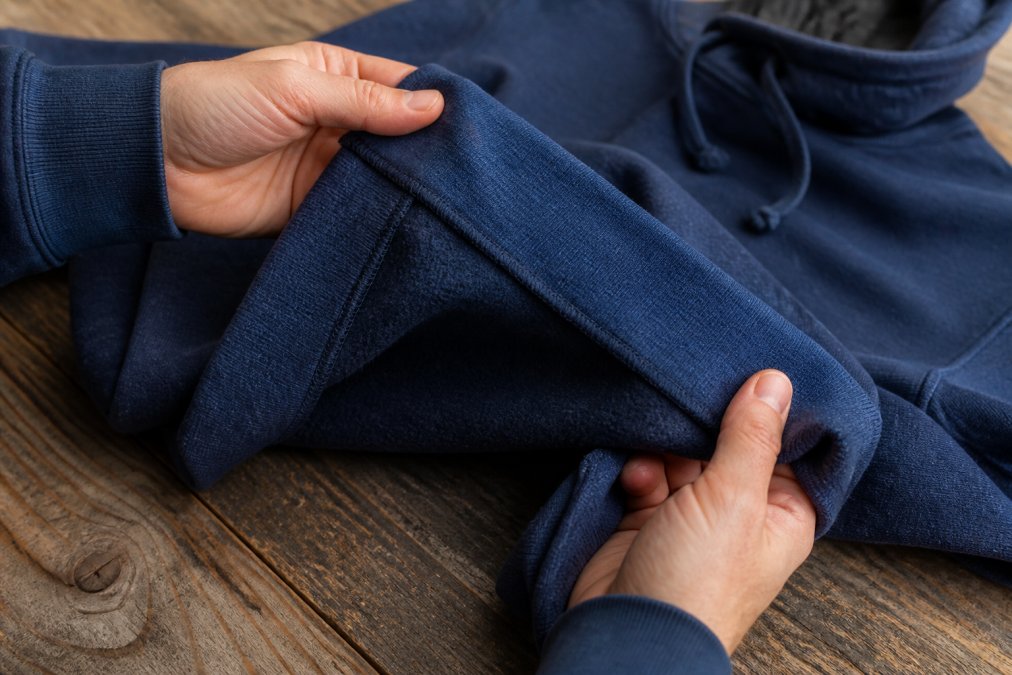
Fabric Quality and Textile Weight
Fabric weight, measured in ounces per square yard, is the fastest way to judge whether a hoodie will survive more than one season. A 5-ounce hoodie feels fine in the store but turns thin and shapeless after a few washes; a 6.5-ounce heavyweight holds its shape.
Garment Construction Details That Matter
Two construction details separate a hoodie that lasts from one that doesn't. The first is side-seamed construction, where the body is sewn from separate panels rather than cut as one tube. Side seams hold the garment's shape and prevent the twisting that plagues cheaper tube construction.
Cost Per Wear: The Math That Changes Everything
Cost per wear is the purchase price divided by the number of times you actually wear the garment. It's the number that makes expensive surf hoodies worth the cost, or exposes them as overpriced.
| Hoodie Type | Price | Realistic Lifespan | Wears Per Year | Cost Per Wear |
|---|---|---|---|---|
| Fast fashion | Low | One season | 40 | Highest |
| Mid-range | $54.95 | Two to three seasons | 80 | Moderate |
| Premium washed fleece | $79.95 | Three-plus seasons | 80 | Lowest |
How Much Should a High-Quality Surf Hoodie Cost?
A high-quality surf hoodie typically lands between $50 and $90, and that range reflects real differences in fabric, construction, and durability rather than branding alone. Below $40, you're usually trading away fabric weight or seam quality. Above $100, you're often paying for a logo.
What Drives the Price of Premium Surf Hoodies
Several costs stack up before a hoodie reaches a shelf or cart.
- Manufacturing and production costs: Heavier fabric, ring-spun cotton, and reinforced seams cost more to produce. A 6.5 oz side-seamed body uses more yarn and sewing time than a 5 oz tube-knit body.
- Retail markup: Wholesale and retail markup can double the cost between factory and customer. A hoodie leaving the factory at $22 can reach a shelf at $55 to $65 once both margins are applied.
- Brand premium and marketing costs: Part of a premium price funds brand equity and advertising, not the garment itself.
- Ethical and sustainable manufacturing: Fair labor and responsible sourcing raise the floor on production cost, costs a fast-fashion pipeline avoids.
- Material durability and longevity: Better materials last longer, which is the point of paying more, the payoff is the seasons the garment stays in rotation.
The Cost-Per-Wear Formula, Applied to Price Tiers
Cost per wear is the purchase price divided by the total number of times you wear the garment. It's the only number that lets you compare a $30 hoodie to a $90 hoodie honestly.
Run the math on three realistic scenarios:
- A $30 fast-fashion hoodie worn twice a week for a 12-week season, retired after one season: 24 wears, about $1.25 per wear.
- A $55 mid-range hoodie worn twice a week for three seasons: 72 wears, about $0.76 per wear.
- A $90 premium hoodie worn twice a week for five seasons: 120 wears, about $0.75 per wear.
Where the Price Stops Tracking Quality
The relationship between price and quality is real up to a point, then it flattens. Past roughly $100, extra dollars tend to buy brand positioning, limited-edition drops, or lifestyle marketing rather than measurable improvements in fabric weight, seam construction, or fit. A $150 hoodie and a $90 hoodie can use the same 6.5 oz cotton-poly fleece and side-seamed construction.
Supply Chain Transparency as a Price Driver
One cost factor most pricing breakdowns skip is supply chain transparency. A brand that publishes its fabric weight, fiber blend, and factory location pays for the audits, documentation, and traceability that make those disclosures possible; a brand selling on lifestyle imagery alone avoids those costs.
How to Read a Price Tag Before You Buy
Use this framework when comparing two hoodies side by side:
- Check the fabric weight. 6.5 oz or higher signals a hoodie built to hold its shape. Below 6 oz, expect it to thin out.
- Check the seams. Side-seamed construction with split stitch double-needle seams and twill neck tape is the durability baseline.
- Check the fiber blend. A stated cotton-poly ratio is a transparency signal. A vague "premium blend" is not.
- Check the return policy. A brand confident in its build usually backs it with a reasonable return window.
- Run the cost-per-wear math. If the premium hoodie's projected cost per wear is lower than the cheap one's, the price is justified. If it isn't, you're paying for the logo.
Best Surf Hoodie Brands: What to Look For (and What to Skip)
The best surf hoodie brands share a few traits: they publish fabric weights, use side-seamed construction, and stand behind their materials. Skip hoodies sold purely on lifestyle imagery with no construction details listed.
Vintage Hoodie with Grey Script →
Technical Fabric Performance: What the Specs Actually Mean
Two performance ratings matter most for a surf hoodie, and both are measurable.
What to Look For (and What to Skip)
Here's what to look for when comparing options.
- Stated fabric weight: 6.5 oz or higher signals a hoodie built to last.
- Fiber blend transparency: A clear cotton and poly fleece ratio, not a vague "premium blend."
- Construction details: Side seams, twill neck tape, and ribbed cuffs.
- Fit description: A relaxed or regular fit that moves with you.
- A stated purpose: Hoodies designed for actual coastal use, not just photos.
- A UPF rating if sun protection is a priority: Look for a stated number, not a sun icon.
- A published supply chain or factory disclosure: A sign the brand knows what's in its garment.
What to skip:
- Hoodies with no fabric weight listed anywhere on the product page.
- "Premium blend" or "luxury cotton" with no ratio or weight behind it.
- Tube construction with no side seams.
- Sun-protection claims with no UPF number attached.
- Brands that describe the lifestyle but not the build.
How to Compare Two Brands in Under Five Minutes
Open both product pages side by side and look for four data points: fabric weight, fiber blend, seam type, and UPF rating. If one page lists all four and the other lists none, you have your answer. If both list all four, compare the numbers directly, the heavier fabric with side seams and a stated UPF rating is the better-built hoodie, regardless of the logo.
How to Care for Surf Hoodies So They Last Longer
Proper care is the cheapest way to protect your investment: wash cold, inside out, and air dry when you can. Heat breaks down fabric, shrinks cotton, and fades color.
A few habits make the biggest difference:
- Wash in cold water to reduce shrinkage and color fade
- Turn the hoodie inside out to protect the print and surface
- Skip the dryer or use low heat to preserve fabric weight
- Use mild detergent and avoid fabric softener, which coats the fleece
- Store folded rather than hung to keep the shoulders from stretching
Conclusion: When the Investment Makes Sense
Expensive surf hoodies are worth the cost when the quality is real and you'll actually wear them. If a hoodie has heavier fabric weight, side-seamed construction, and reinforced seams, the cost per wear drops below that of a cheap replacement you'll buy again next year.
Frequently Asked Questions
How much should a high-quality hoodie cost?
A well-made hoodie with quality materials and durable construction typically falls in the $50 to $80 range. At this price point, you get heavier fabric, reinforced seams, and materials that hold their shape after repeated washing. Hoodies under $30 often use thinner fabric and single-stitch construction that breaks down within a season. The key is looking at fabric weight, seam type, and whether the fit holds up over time, not just the price tag.
Are surf hoodies different from standard streetwear hoodies?
Surf hoodies are built for coastal conditions: salt air, wind, and temperature swings between dawn patrol and afternoon sun. They tend to use softer, more breathable fabrics and relaxed fits that layer easily over a wetsuit or boardshorts. Streetwear hoodies often prioritize heavier, boxier silhouettes for fashion. The best surf hoodies balance warmth with breathability and use materials that resist salt and moisture better than standard cotton fleece.
How do you spot a high-quality surf hoodie?
Check three things: fabric weight, seam construction, and fit details. A quality hoodie uses at least 6.5 oz fabric, ideally a cotton-poly blend for softness and durability. Look for side-seamed construction instead of tubular stitching, since side seams hold the shape better after washing. Reinforced cuffs, a jersey-lined hood, and twill neck tape are signs of careful garment construction. If the hoodie feels thin, has loose threads, or the hood flops without structure, it probably won't last.
How do you care for surf hoodies to make them last?
Wash in cold water on a gentle cycle and turn the hoodie inside out to protect the print and fabric surface. Skip the dryer; air drying prevents shrinkage and keeps the fleece soft. Use mild detergent instead of harsh chemicals, and avoid fabric softener since it coats the fibers and reduces breathability. If you surf often, rinse your hoodie with fresh water after beach days to remove salt residue. Stored properly and washed carefully, a quality surf hoodie can last several seasons.
What features justify a higher price tag in coastal apparel?
Premium surf hoodies earn their price through fabric quality, construction, and longevity. A 9 oz midweight fleece with ring-spun cotton costs more to produce than a thin 5 oz blend. Split-stitch double-needle seams, jersey-lined hoods, and twill neck tape add labor and material costs but extend the garment's life. Pigment-dyed finishes and unique fading techniques also raise production costs. When you divide the price by the number of wears over several years, the cost per wear often drops below budget alternatives.