

Best Soft Fabrics for Beach Wear: Top Picks for 2026
Table of Contents
- Best Soft Fabrics for Beach Wear: A Quick Comparison
- Why the Best Fabric for Swimwear Is a Nylon-Spandex Blend
- Nylon vs. Polyester Swimwear: Which Dries Faster and Lasts Longer
- Soft Fabrics for Beach Cover-Ups That Feel Great Wet or Dry
- Swimwear Fabric for Sensitive Skin: What to Look For
- The Softest Beach Wear Picks From Salt and Sand Surf Shop
- How to Keep Beach Wear Fabrics Soft Season After Season
- Conclusion: Choosing the Right Soft Fabric for Your Beach Day
- Frequently Asked Questions
Last Updated: October 13, 2026
Best Soft Fabrics for Beach Wear: A Quick Comparison
The best soft fabrics for beach wear balance softness against salt, sun, and sand, and no single fabric wins every category. At Salt and Sand Surf Shop, we watch customers choose between buttery-soft cotton cover-ups and stretchy nylon-spandex swimwear every season, and the right answer depends on whether the garment gets wet. This guide ranks the softest options by garment type, explains how each fabric feels when damp or sandy, and shows which blends hold their softness longest.
Here is the quick version before the detail:
| Fabric | Softness | Best For | Watch Out For |
|---|---|---|---|
| Cotton (combed, ring-spun) | Highest dry softness | Cover-ups, tees, non-swim beachwear | Heavy when soaked, slow to dry |
| Nylon-spandex blend | Soft with four-way stretch | Swimwear, bikinis, rash guards | Can pill if washed hot |
| Polyester-spandex blend | Soft, slightly firmer | Performance swimwear, chlorine exposure | Less buttery than nylon blends |
| Linen | Crisp, softens with wear | Resort wear, loose cover-ups | Wrinkles, rougher at first |
| Terry cloth | Plush, absorbent | Post-swim cover-ups, robes | Bulky, holds water |
| Bamboo blend | Very soft, drapes well | Sensitive skin, casual cover-ups | Slower to dry than synthetics |
How We Evaluated These Fabrics
We scored each fabric on four things: how soft it feels dry, how it feels wet or damp, how it handles sand and salt, and how well it keeps its softness after repeated washing.
A common mistake is judging beachwear softness in the store only. Cotton feels incredible on the rack, then turns heavy and clingy the moment a wave hits it.
Why the Best Fabric for Swimwear Is a Nylon-Spandex Blend
The best fabric for swimwear is a nylon-spandex blend, typically 80-90% nylon with 10-20% spandex or elastane.
Nylon brings the strength and smooth hand-feel; spandex, also sold under the Lycra name, brings the stretch and recovery that keeps a suit from sagging after a few wears.
Compare the two main synthetic routes:
- Nylon-spandex: Softer hand-feel, better drape, holds color well. Best for bikinis and fashion swimwear.
- Polyester-spandex: Firmer, more resistant to chlorine breakdown, better for training suits and rash guards.
- Eco nylon and recycled polyester: Same performance profile as virgin fiber, made from reclaimed material. A solid pick if sustainability drives your purchase.
For anyone comparing nylon vs. polyester swimwear, the short answer is that nylon feels softer while polyester lasts longer against chlorine. Neither is a wrong choice; they simply optimize for different things.
Nylon vs. Polyester Swimwear: Which Dries Faster and Lasts Longer
Polyester dries slightly faster and resists chlorine better; nylon feels softer and drapes more naturally. Both dry far quicker than cotton, and both beat natural fibers for saltwater resistance.
The drying gap between the two is small in practice. What separates them is how they age.
Here is how the trade-offs stack up:
- Drying speed: Polyester edges out nylon, but both dry in a fraction of the time cotton takes.
- Softness: Nylon wins, especially in blends with a higher spandex ratio.
- Chlorine resistance: Polyester holds up longer in pool water.
- Saltwater resistance: Both perform well; rinse either after ocean use.
- UV protection: Denser weaves block more sun, so fabric weight and weave matter as much as fiber type.
The thing nobody tells you about swimwear labels is that "quick-dry" is a weave property as much as a fiber property.
Soft Fabrics for Beach Cover-Ups That Feel Great Wet or Dry
For beach cover-ups, the softest fabrics rank in this order: brushed bamboo-cotton blends, combed and ring-spun cotton, terry cloth, linen, and lightweight cotton-modal.
Here is how each one actually behaves, ranked by softness against skin:
- Bamboo-cotton blends (roughly 60% bamboo viscose, 40% cotton): The softest of the group. Bamboo viscose has a smooth, cool hand-feel that drapes without clinging, and the cotton adds body so the fabric does not collapse when damp. Dries faster than pure cotton but slower than any synthetic.
- Combed and ring-spun cotton: The benchmark for dry softness. Combing removes short fibers that poke and pill; ring-spinning twists the yarn tighter for a smoother surface. A 4.2 oz./yd.² ring-spun tee feels broken-in on day one. The trade-off is weight, a soaked cotton cover-up can gain noticeable heft and turn clingy.
- Terry cloth: Plush and absorbent, which makes it the best pick for stepping out of the water or wrapping up post-swim. It is also the bulkiest and slowest to dry, so it works as a robe or a beach towel hybrid, not as a layer you wear into the water.
- Linen: Starts crisp and slightly rough, then softens with every wash. It breathes better than anything else on this list in humid heat and resists clinging when damp. Expect wrinkles; that is the fiber, not a defect.
- Cotton-modal: Modal is a beechwood-derived rayon that adds a silky, fluid drape to cotton. Softer than cotton alone and lighter than terry, it is a strong choice for loose beach dresses and wide-leg pants.
A common pattern is that shoppers judge cover-up softness on the rack and regret it after the first swim.
Cotton fiber properties and care guidance from the USDA confirms that cotton's absorbency is exactly what makes it comfortable dry and heavy when wet. That is the core tension for anyone building a beach wardrobe.
Swimwear Fabric for Sensitive Skin: What to Look For
Why wet fabric irritates skin more than dry fabric:
- Moisture stays trapped. A wet synthetic layer holds a film of saltwater or chlorinated water against skin, softening the outer layer and making it more prone to friction damage. A smooth, tightly woven surface slides instead of grabbing.
- Sand becomes an abrasive. Loose knits and textured weaves trap grains that then rub against skin with every movement. Tightly woven or flat-faced fabrics shed sand instead of holding it.
- Seams and elastic do the damage. Rough overlock seams, exposed elastic, and tight binding create pressure points that chafe once wet. Flatlock stitching and a soft gusset lining reduce this more than any fiber swap.
Fiber-by-fiber for sensitive skin:
- Nylon-spandex (80-90% nylon, 10-20% spandex): Smooth, cool, and the best all-around choice for swimwear. Look for a full front lining.
- Polyester-spandex: Slightly firmer and very smooth; a good option if you react to nylon or need chlorine durability.
- Recycled nylon and eco blends: Same performance profile as virgin nylon when tightly knit; check that the surface is smooth, not brushed.
- Bamboo and cotton blends: Excellent for dry cover-ups and sensitive skin on land, but they hold moisture against skin when wet, which can worsen irritation on long beach days.
- Wool and coarse linen: Avoid against sensitive skin in swimwear; both can feel scratchy when damp.
Natural fibers are not automatically gentler here. Organic cotton feels wonderful dry but holds moisture against skin, which can worsen irritation during long beach days.
Skin irritation and fabric guidance from the American Academy of Dermatology recommends rinsing skin and swimwear after contact with saltwater or pool chemicals, a habit that matters more than fiber choice for anyone prone to irritation.
- Choose smooth, tightly woven blends over loose knits
- Prioritize flat seams and soft lining
- Rinse the suit in fresh water after every wear
- Avoid heavy fragrances and harsh detergents on swimwear
The Softest Beach Wear Picks From Salt and Sand Surf Shop
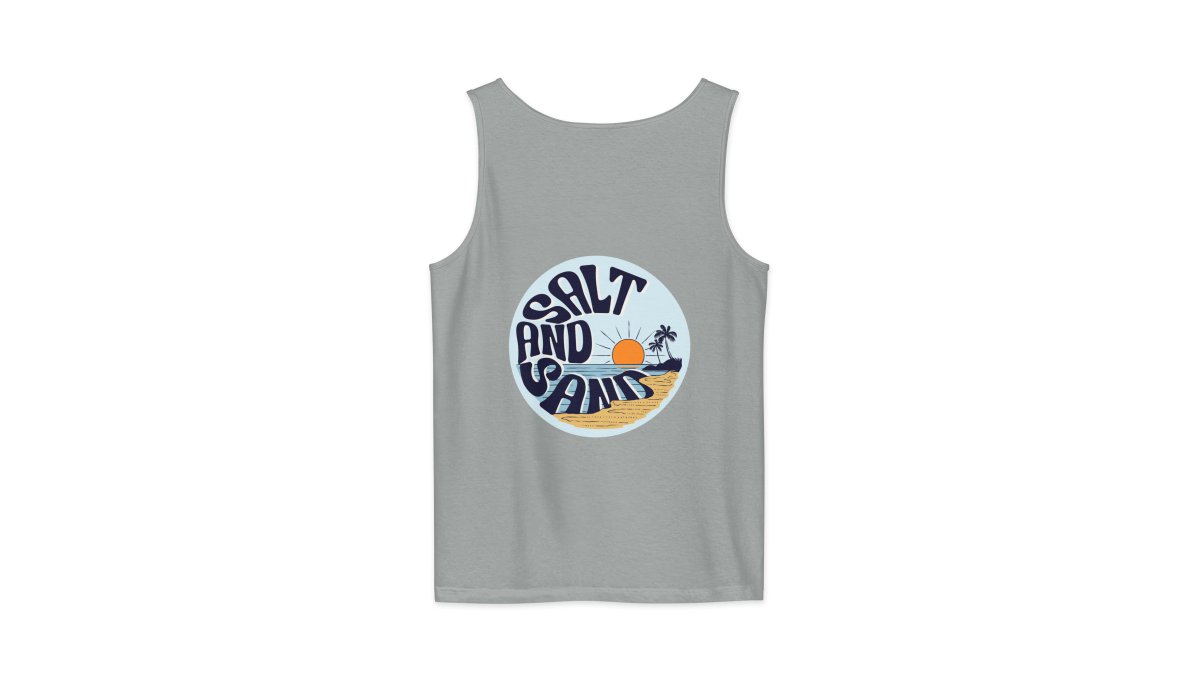
Our softest beach wear comes down to two fabric stories: ultra-soft cotton for dry beach days and breathable blends for everything in between. Our top pick for all-day softness is the Beach Life Tank Top, made from a lightweight, breathable fabric with a relaxed fit that moves with you.

If you want a tee that feels broken-in from day one, the Vintage Script Tee uses 100% Airlume combed and ring-spun cotton at 4.2 oz./yd.², pre-shrunk for a lasting fit. The Ride the First Wave Tee runs on the same soft cotton build with a wave-heart design, and every purchase supports the Surfrider Foundation.

For warmer days, the Vintage Script Tank Top pairs soft, breathable fabric with a retro script logo. All of these are built for non-swim beachwear, the layer you live in before and after the water.

How to Keep Beach Wear Fabrics Soft Season After Season
Beach wear stays soft when you rinse salt and sand out promptly, wash cold, and skip the dryer. Heat and residue are what stiffen fabric over time, not normal wear.
A simple care routine:
- Rinse swimwear and cover-ups in cool fresh water right after the beach
- Wash cold on a gentle cycle with a mild detergent
- Skip fabric softener, which coats fibers and reduces stretch
- Air dry in the shade to protect spandex and color
- Store folded, away from direct sun and damp
Chlorine and saltwater both break down spandex over time, so rinsing is the single highest-value habit. Textile care guidance from the American Cleaning Institute recommends cold water and air drying for stretch fabrics to preserve elasticity.
Conclusion: Choosing the Right Soft Fabric for Your Beach Day
The right fabric depends on the job: nylon-spandex for swimwear, soft combed cotton and bamboo blends for cover-ups, and linen or terry for lounging. Rank by garment and climate, and softness stops being a guessing game.
If you want beach wear that already feels broken-in, our cotton tanks and tees are built for exactly that. Shop the Beach Life Tank Top and the rest of our coastal collection, made to feel as natural as a day by the ocean.
Frequently Asked Questions
What is the best fabric for beach wear?
The best fabric depends on the garment. For swimwear, look for an 80-90% nylon or polyester blend with 10-20% spandex for four-way stretch and shape retention. For cover-ups and casual beach wear, soft fabrics like organic cotton, linen, and terry feel comfortable against the skin. Cotton and cotton-blend tees work well for dry beach activities, while quick-drying synthetics are better for getting in and out of the water.
Is nylon or polyester better for swim?
Both work, but they behave differently. Nylon is softer and stretches more, which makes it comfortable for bikinis and performance swimwear. Polyester resists chlorine and saltwater breakdown better and holds its color longer, so it tends to outlast nylon in heavy pool use. Many swimwear pieces blend the two with spandex to balance softness, durability, and stretch recovery.
Which beachwear fabrics feel softest against the skin?
For dry wear, Airlume combed and ring-spun cotton and linen feel softest. For swimwear and active beach use, nylon-spandex blends have a smooth, buttery soft feel that stays comfortable when wet. Bamboo and terry are also soft options for cover-ups. If you have sensitive skin, choose fabrics with a smooth finish and minimal rough seams.
Is cotton a good fabric for beach cover-ups?
Yes, for dry conditions. Cotton is breathable and soft, making it ideal for boardwalk strolls and lounging. However, cotton absorbs water and dries slowly, so it is not the best choice if you plan to swim or get splashed. For cover-ups that might get wet, choose quick-drying fabrics like terry blends or lightweight synthetics instead.
What fabric dries fastest after swimming?
Polyester and nylon dry fastest because they absorb very little water. Polyester edges out nylon slightly in quick-drying performance. Spandex blends also dry quickly while providing stretch. Avoid heavy cotton or terry for swimwear, as these hold moisture and can feel damp and heavy for a long time after you leave the water.