

How to Choose Comfortable Beach Clothes That Last
Last Updated: November 19, 2026
Quick Summary
Choose comfortable beach clothes that breathe, move with you, and dry fast when wet. Prioritize fabrics like linen, cotton, or quick-drying synthetics, and check the texture, stretch, seams, opacity and fit through your full range of motion before buying.
- Ask how each piece feels on bare skin, how it moves when you sit or reach, and how fast it dries.
- Cotton is soft but dries slowly, while quick-drying synthetics suit swimming and water sports.
- Hold fabric up to light; if you can see your hand through two layers, it will be see-through when damp.
- Size up for heat and layering, and size down only if the fabric has real stretch.
- Pack a dry quick-drying layer for the walk back after a long swim or sport session.
Table of Contents
- What Makes Beach Clothes Comfortable in Practice
- Choosing Fabrics: Linen, Cotton, and Quick-Drying Blends
- Finding the Right Fit and Silhouette for Beach Days
- Matching Clothes to Your Beach Activity
- Dressing for Changing Temperatures From Morning to Evening
- Casual Beach Attire for Women: Dresses, Cover-Ups, and Layers
- Booking Your Next Beach Wardrobe Upgrade
- Frequently Asked Questions
The right beach clothes should feel as easy as a day in the sun. This guide from Salt and Sand Surf Shop explains how to choose comfortable beach clothes that hold up to salt, sand and sun, so you spend less time adjusting and more time in the water or on the boardwalk. We'll walk through fabric, fit, activity, weather and care, with a practical checklist you can use while shopping.
What Makes Beach Clothes Comfortable in Practice
Comfortable beach clothes do three things well: they breathe, they move with you, and they dry fast when they get wet. Most of the frustration people feel at the beach comes from clothes that trap heat, cling when damp, or chafe after a few hours.
A common mistake is shopping by look alone. A piece can photograph beautifully and still feel stiff, scratchy or heavy once it's soaked with seawater.
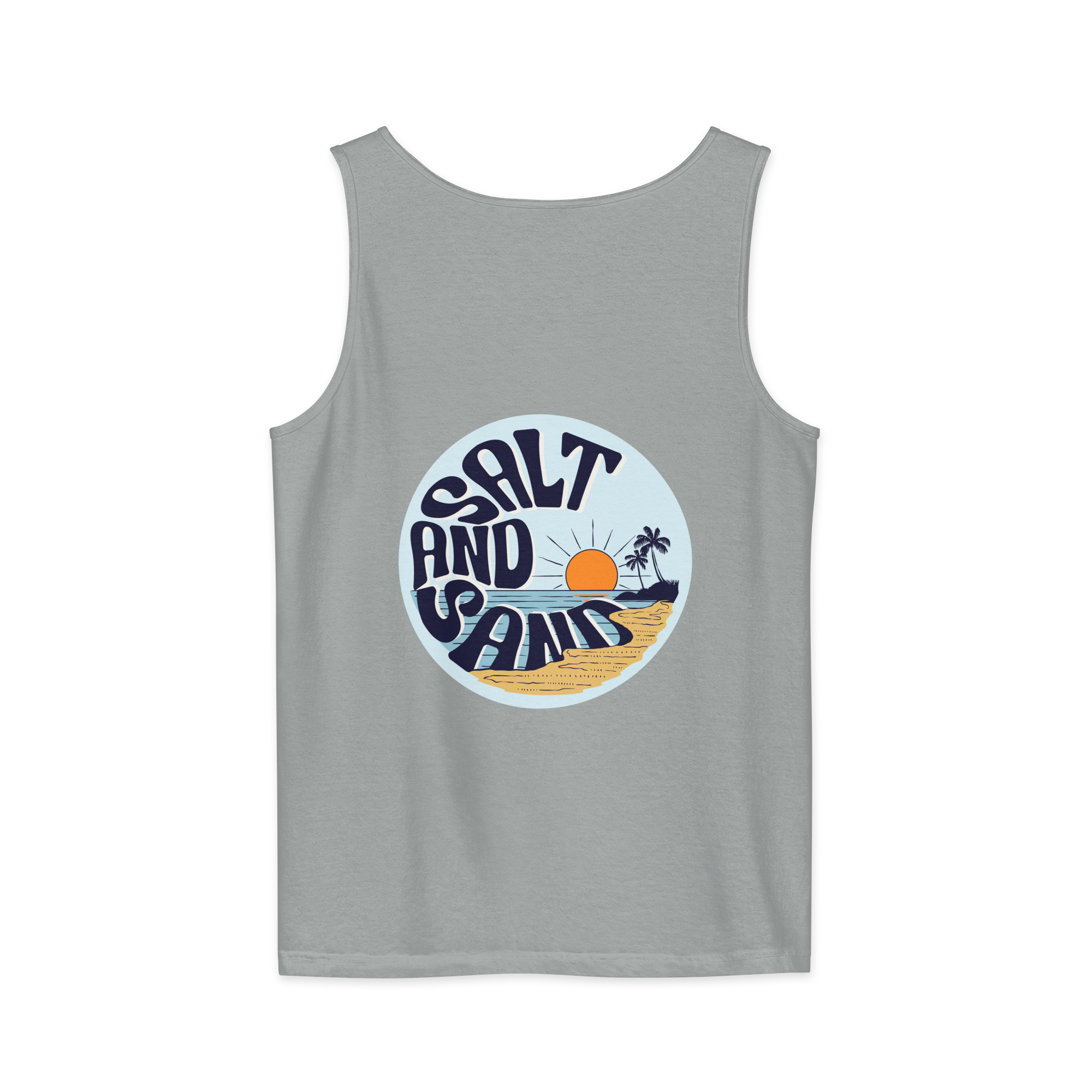
Our own pick for everyday beach wear is the Beach Life Tank Top at $19.95, a relaxed-fit tank made from ultra-soft, lightweight material. We'd still check the fit and fabric against the points below before you choose.
Choosing Fabrics: Linen, Cotton, and Quick-Drying Blends
Fabric decides most of how a piece will feel in heat, but the label alone doesn't tell you enough. Read why natural fabrics suit beachwear to understand the trade-offs in more depth. Two cotton shirts can feel completely different depending on weave, weight, and finish. Use the fabric comparison below to narrow your options, then run every candidate through the five-point checklist before you buy.
Here is how the main options compare:
- Cotton: Soft and comfortable for casual wear and layering. It absorbs water and dries slowly, so it suits dry beach days better than surf sessions.
- Linen: Very breathable and light, and it gets softer with washing. It wrinkles easily and has little stretch, so it works best in loose cuts. A linen-cotton blend keeps some of the airiness while reducing wrinkle severity.
- Quick-drying synthetics: Polyester and nylon shed water fast and resist chafing during movement. They can feel less natural against the skin and sometimes trap odor, so look for pieces labeled moisture-wicking or treated with an odor-control finish.
- Cotton-synthetic blends: A middle ground, with more shape retention and faster drying than pure cotton.
Pros and cons at a glance:
- Cotton: Pro: soft, breathable, easy to wear. Con: slow to dry when wet.
- Linen: Pro: cool and airy in hot weather. Con: wrinkles, less stretch.
- Synthetic: Pro: dries quickly, durable in water. Con: can feel warmer and less natural.
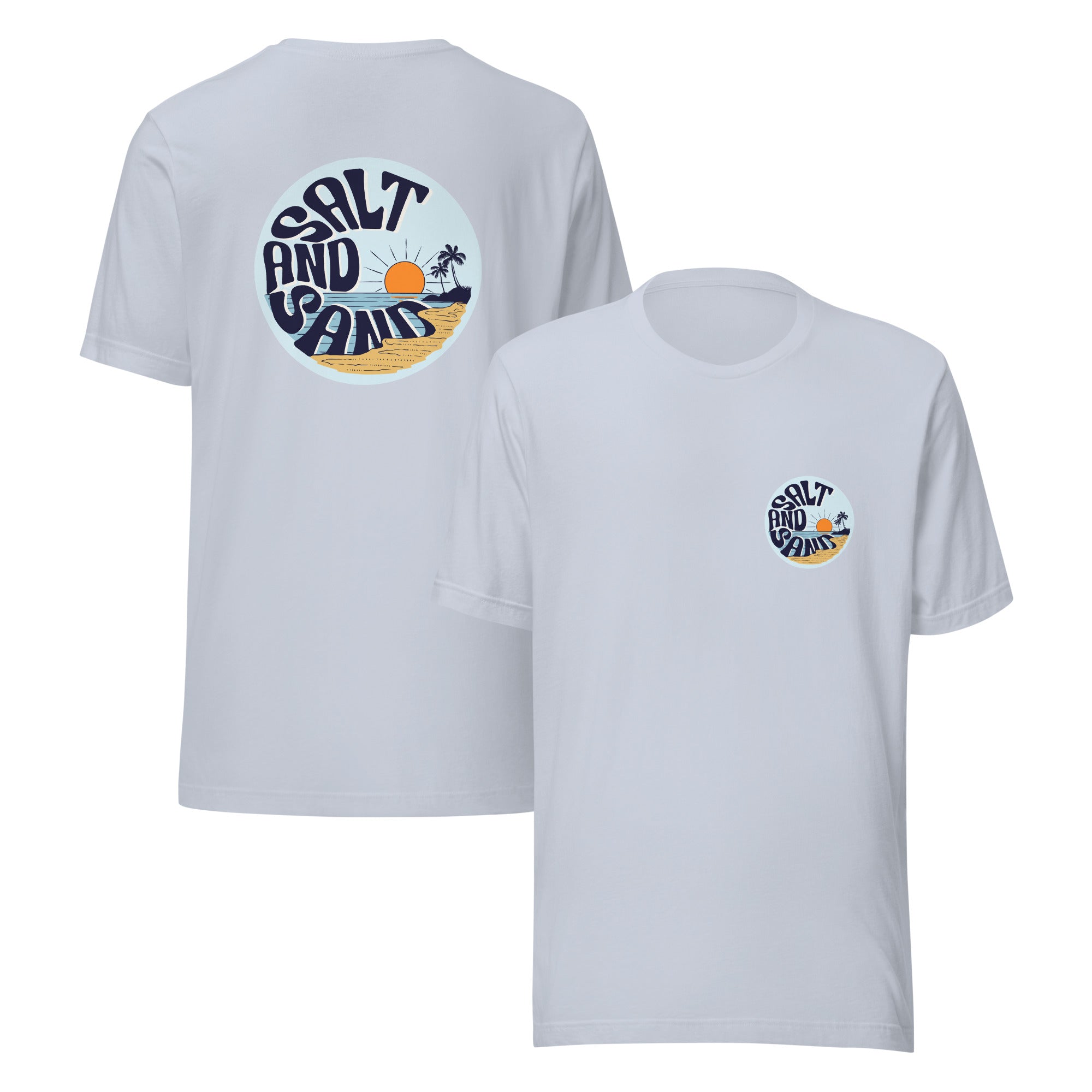
Our Beach Life Tee is made of 100% combed and ring-spun cotton with a 4.2 oz/yd² fabric weight and is pre-shrunk. The Salt & Sand Beach Tote is made of 10 oz., 100% cotton canvas.
The Five-Point Fabric and Fit Checklist
Most shoppers judge a garment by how it looks on the hanger. At the beach, five physical properties matter more than the print or color. Check each one in the fitting room or against the product description before you commit.
- Texture against bare skin. Rub the fabric against the inside of your wrist and your neck. Scratchy seams, stiff interfacing, and rough embroidery will chafe once sweat and salt arrive. Soft, brushed, or washed finishes are safer for all-day wear.
- Stretch and recovery. Grab a section of the fabric and pull. It should stretch without feeling rubbery and spring back without sagging. Two-way stretch is enough for tees and cover-ups; four-way stretch matters for swimwear and active bottoms. A garment that stays stretched out after you let go will bag at the knees and seat.
- Seam construction. Turn the piece inside out. Flatlock or coverstitch seams lie flat and reduce chafing under arms and along the sides. Overlocked seams with loose threads will rub during movement. Check that shoulder seams are taped or reinforced, since those take the most stress when you paddle or carry gear.
- Opacity. Hold the fabric up to light. Thin white or light-colored cottons can turn transparent when wet, which matters for swimsuits, cover-ups, and light dresses. A denser weave or a lining solves this. If you can see your hand clearly through two layers, the piece will be see-through when damp.
- Fit through the range of motion. Reach both arms overhead, sit down, and twist your torso. The hem should not ride up past your waistband, the armholes should not gape, and the neckline should stay put. If you feel fabric pulling across the back or chest, size up or choose a cut with more ease.
Watch out: A size chart tells you body measurements, not garment measurements. Compare the listed chest, waist, and length against a piece you already own and wear comfortably.
The main fabric options compare as follows, with the trade-off each one brings.
| Fabric | Best for | Key difference |
|---|---|---|
| Cotton | Casual wear and layering | Soft, but dries slowly when wet |
| Linen | Hot, dry days | Very breathable, but wrinkles easily |
| Quick-drying synthetics | Swimming and water sports | Dries fast, but can feel less natural |
| Cotton-synthetic blends | A middle ground | More shape retention and faster drying than cotton |
Finding the Right Fit and Silhouette for Beach Days
Fit matters more at the beach than in most settings. Clothes that are too tight restrict movement and hold moisture.
Look for a relaxed fit through the shoulders and torso, with room to reach overhead without the hem riding up. Check the armholes and neckline for anything that will rub when you paddle or swim.
If you're between sizes, size up for heat and layering, and size down only if the fabric has real stretch. Measure against a garment you already own and wear comfortably rather than trusting a size chart alone.
Matching Clothes to Your Beach Activity
What you do on the sand should drive what you buy, but most guides stop at "active versus relaxed." In practice, a beach day usually includes several activities, and each one stresses different parts of a garment. Use the breakdown below to match fabric, fit, and coverage to your actual plans.
Swimming and Water Sports
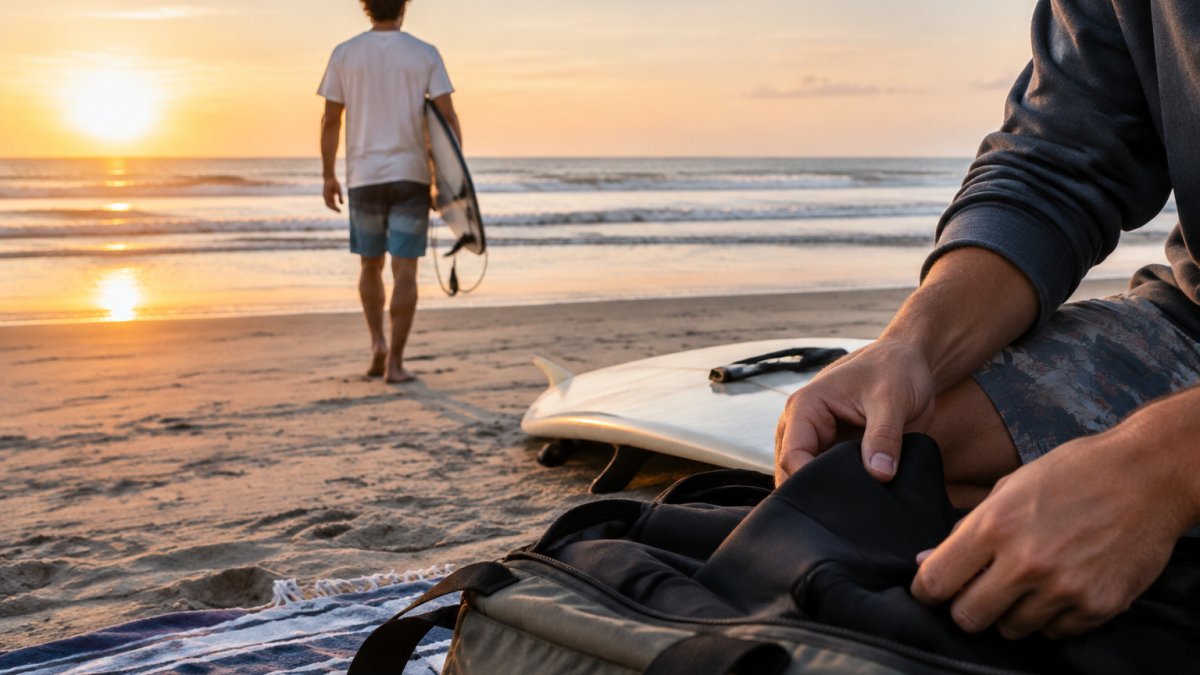
Prioritize quick-drying synthetics, secure fits, and flat seams. Swimwear should stay put during movement: check that straps don't slip and that leg openings don't gap. For board sports, board shorts with a drawstring waist and a longer inseam protect against abrasion from the board. Rash guards offer coverage and reduce sunscreen reapplication. Avoid loose cotton tees in the water; they absorb water, become heavy, and stay cold for hours.
Walking and Boardwalk Strolling
Walking generates heat and friction. Choose breathable fabrics with a relaxed but not oversized fit, and pay attention to the inner thigh and underarm areas where chafing starts. A lightweight cotton or linen blend short or dress works well. Supportive sandals or sneakers matter as much as the clothes. Carry a light layer for shade breaks and air-conditioned shops.
Lounging and Sunbathing
Comfort here means softness, breathability, and coverage that won't overheat you. Loose linen or cotton cover-ups, kaftans, and sarongs let air circulate while blocking direct sun. A wide-brim hat and UPF-rated clothing add protection without trapping heat. Choose light colors that reflect sun rather than absorb it, and avoid dark, heavy fabrics that heat up on the sand.
Dining and Beach-to-Town Transitions
Beach-to-town pieces need to look put-together without feeling stiff. A lightweight dress, a clean tee with linen trousers, or a relaxed button-down over a swimsuit all transition well. Look for wrinkle-resistant blends if you'll be sitting at a restaurant, and choose darker colors or busy prints that hide water spots and sand. A roomy tote holds a change of clothes, a light layer, and footwear.
Active Beach Sports
Volleyball, frisbee, and beach soccer involve sprinting, jumping, and falling. See how to choose durable surf apparel for active use that holds up to heavy wear. Choose durable, abrasion-resistant fabrics with four-way stretch, secure waistbands, and seams that won't split. Avoid loose hems that catch on the sand and lightweight fabrics that tear. Supportive footwear and a fitted top reduce distraction during play.
Watch out: Cotton that's soaked during a long swim or sport session can stay heavy and cold for hours, so keep a dry quick-drying layer in your bag for the walk back.
Dressing for Changing Temperatures From Morning to Evening
Coastal weather shifts a lot over a day. Find breathable fabrics that handle coastal weather well from morning to night. Mornings can be cool and damp, midday can be hot, and evenings often bring a breeze off the water. Plan for the whole day, not just the first hour.
Start with a breathable base like a cotton tee or tank top, then add a light layer you can remove. A soft hoodie works well for cooler evenings, and a loose cover-up or sarong handles strong sun. Browse comfortable beach hoodies for cool coastal evenings for a warm layer that packs easily. Choose layers that roll up small enough to carry in a tote.
Casual Beach Attire for Women: Dresses, Cover-Ups, and Layers
Women's beach wear covers a wide range, from swimsuits and bikinis to sarongs, kaftans and beach dresses. The same rules apply: breathable fabric, a relaxed silhouette, and easy movement.
A loose cover-up or kaftan works for walking between the beach and lunch, while a lightweight dress suits the boardwalk or a casual dinner. Layer a tank top under an open shirt for cooler evenings. Pieces with cut-out details or chain straps can look polished, but check that they won't dig in or catch when you move.
Booking Your Next Beach Wardrobe Upgrade
Choosing comfortable beach clothes comes down to fabric that breathes and dries, a relaxed fit that lets you move, and pieces matched to what you actually do. Start with two or three versatile items and build from there.
Ready to try it out? Browse our range of tees, tanks and totes at Salt and Sand Surf Shop, where the pieces are designed for coastal days from first light to sunset. Shop now.
Frequently Asked Questions
What fabrics are most comfortable to wear at the beach?
Breathable natural fabrics such as cotton and linen are the most comfortable for warm, humid beach days because they let air move across the skin and absorb moisture. Cotton is soft and easy to care for, while linen dries quickly and stays cool. For surfing or swimming, quick-drying blends are better because they shed water and dry in minutes. Choose lighter weights for hot afternoons and slightly heavier knits for cooler mornings and evenings on the coast.
What should you wear to the beach besides a swimsuit?
A lightweight tank top or tee paired with shorts or a relaxed skirt covers most beach situations comfortably. A loose cover-up or light button-up shirt protects shoulders from sun and keeps you comfortable when walking to and from the water. Add a hat and sandals with easy straps for walking on sand. The Beach Life Tank Top at $19.95 and the Beach Life Tee at $24.95 are good examples of breathable pieces that work from the sand to the boardwalk.
How should beach clothes fit for comfort?
Beach clothes should be relaxed enough to move freely without clinging when wet or sweaty. Look for shoulders that sit where your own shoulders end, a body that skims rather than squeezes, and hems that do not restrict stepping or sitting. Avoid fabrics that stretch out or sag heavily when wet. A relaxed unisex or oversized fit usually gives the most room for movement and airflow in hot weather.
What clothes should you avoid wearing to the beach?
Avoid heavy denim, thick cotton hoodies in warm weather, and tight synthetic fabrics that trap heat and hold salt water. Stiff materials chafe when wet and take a long time to dry. Delicate fabrics can snag on sand and rough surfaces. Skip anything you would be upset to rinse out, since salt and sand can wear down fibers quickly. Choose easy-care pieces that can be rinsed and dried in a few hours.
