

How to Compare Quiksilver vs Rip Curl Clothing Quality
Last Updated: November 1, 2026
Quick Summary
In quiksilver vs rip curl clothing quality, Rip Curl's denser stitching and firmer stretch give it the durability edge in boardshorts and rashguards, while Quiksilver's softer fabrics win on everyday comfort but show cosmetic wear sooner. Wash cold and hang dry to extend the life of either brand.
- Quiksilver's softer four-way stretch feels more supple but goes baggy sooner under hot washes and high-heat drying.
- Rip Curl rashguards use flatlock stitching to reduce chafing and hold shape after repeated saltwater exposure.
- Rip Curl tees run trim through the chest, so size up if you are between sizes.
- Buy core items at full price and treat seasonal graphics as discretionary since they rarely outlast the core line.
- Standardize on one brand for water gear and use the other for everyday pieces to capture each strength.
Table of Contents
- What Actually Separates Quiksilver and Rip Curl Clothing
- Quiksilver Clothing Quality: Construction, Fabric, and Fit
- Rip Curl Clothing Quality: Seams, Stitching, and Comfort
- Quiksilver vs Rip Curl Durability: What Holds Up Over Time
- Fit and Sizing: How Each Brand Cuts Its Clothing
- Surf Apparel Value for Money: Price, Quality Consistency, and Wear
- Choosing the Right Surf Clothing for Your Next Session
- Frequently Asked Questions
What Actually Separates Quiksilver and Rip Curl Clothing
Walk into any surf shop and you'll find the two biggest names in surfwear sitting side by side on the rack. The real difference between Quiksilver and Rip Curl clothing quality comes down to construction priorities. This guide from Salt and Sand Surf Shop breaks down both brands category by category so you can spend your money where it matters.
But pedigree doesn't tell you whether a hoodie will pill after ten washes or whether a pair of boardshorts will survive a full season of dawn patrols.
Below, we'll walk through fabric, stitching, fit, and long-term wear for both brands.
Quiksilver Clothing Quality: Construction, Fabric, and Fit
Quiksilver's clothing quality starts with fabric feel. The brand's tees and hoodies use soft cotton blends that break in quickly and feel comfortable straight off the shelf. Construction is solid but not overbuilt, which keeps garments light for everyday wear.
Boardshorts and Stretch Materials
A common mistake buyers make is sizing down for a tighter look. Don't. Boardshorts need room through the thigh to let the stretch material work, and a too-snug waistband will chafe during a long session.
Tees, Hoodies, and Everyday Wear
The everyday line leans casual. Heathered fabrics, relaxed cuts, and muted graphics make Quiksilver tees easy to wear inland as well as at the beach. Seam quality on tees is consistent, though the lighter fabric weight means these pieces show wear faster than heavier garments if you wash them hot.
Rip Curl Clothing Quality: Seams, Stitching, and Comfort
Comfort is close to Quiksilver's, though Rip Curl cuts often run a touch trimmer through the chest. If you're between sizes, try both before committing.
Rashguards and Sun Protection
Rip Curl's rashguard line is a genuine strength. The brand builds rashguards with flatlock stitching to reduce chafing under the arms, and the fabric holds its shape after repeated saltwater exposure. Sun protection ratings on Rip Curl rashguards are clearly labeled, which matters if you're logging long hours in the water. For reference on what UPF ratings actually mean, the Skin Cancer Foundation's sun protection guidance explains the difference between UPF clothing ratings and sunscreen SPF.
Quiksilver vs Rip Curl Durability: What Holds Up Over Time
On Quiksilver vs Rip Curl durability, the answer depends on the garment and how you treat it. Below is a garment-by-garment breakdown of where each brand fails first, what causes it, and how to extend the life of either.
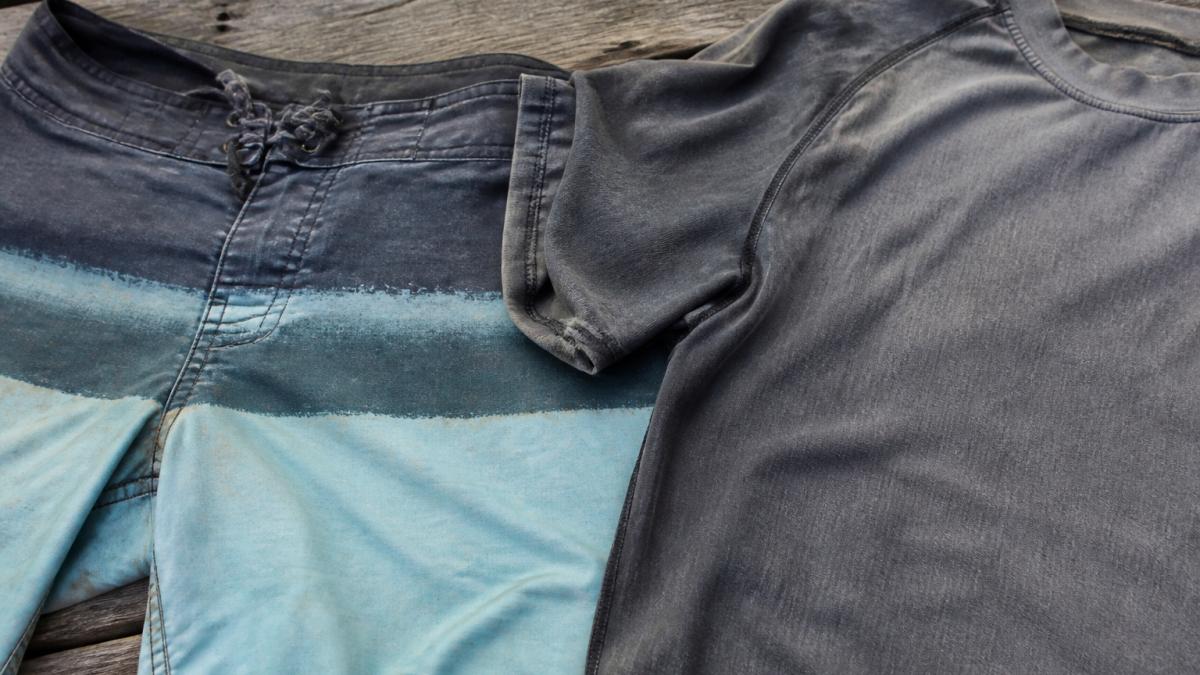
Boardshorts: Seam Failure and Stretch Retention
The bigger long-term difference is stretch retention. Quiksilver's four-way stretch blends feel more supple out of the bag, but that suppleness comes with a trade-off: hot washes and high-heat drying accelerate elastane breakdown, and Quiksilver shorts that see both will go baggy at the knee and waist before the fabric itself shows holes. Rip Curl's slightly firmer stretch fabric holds its shape longer under the same abuse. Neither brand is immune to heat damage, but Quiksilver's softer hand makes the loss more visible.
Rashguards: Flatlock Seams and Saltwater Exposure
Chlorine is the wildcard. Pool sessions break down rashguard fabric faster than saltwater, and neither brand's standard rashguard is built for daily chlorinated training. If you split time between the pool and the ocean, expect any rashguard to show thinning at the underarm within a season.
Tees and Hoodies: Fading, Pilling, and Fabric Softness
A common pattern among long-term wearers: Quiksilver everyday pieces feel better on day one and show cosmetic wear sooner, while Rip Curl everyday pieces feel rougher initially and look newer longer. Neither is a quality failure; they are different construction priorities.
What Actually Extends Life
Wash cold, hang dry, and rinse after saltwater exposure. That single habit extends the life of either brand by a wide margin, and it matters more than the logo on the tag. Heat is the enemy of stretch fabric and the accelerator of fade, so the dryer does more damage to a pair of boardshorts than a full season of surfing. Turn garments inside out before washing to reduce surface abrasion, and skip fabric softener, which coats stretch fibers and reduces their ability to recover.
Fit and Sizing: How Each Brand Cuts Its Clothing
Sizing is the most common source of returns in surf apparel, and the two brands cut differently.
| Category | Quiksilver Fit | Rip Curl Fit | Sizing Advice |
|---|---|---|---|
| Boardshorts | Relaxed, true to size | Athletic, slightly trim | Try both if between sizes |
| Tees | Relaxed through chest | Trim through chest | Size up in Rip Curl |
| Hoodies | Roomy, true to size | Standard, slightly fitted | True to size for most |
| Rashguards | Snug by design | Snug, athletic cut | Size up if broad-shouldered |
Surf Apparel Value for Money: Price, Quality Consistency, and Wear
Surf apparel value for money depends less on sticker price and more on how many seasons a garment survives. The question is consistency: does the tenth hoodie you buy fit and wear like the first, and does the garment's lifespan justify its price relative to a cheaper alternative?
Price Bands by Category
The practical takeaway: buy core items at full price if you need them, but treat seasonal graphics and trend cuts as discretionary. They rarely outlast the core line and often cost more.
Cost per Wear: The Only Math That Matters
A boardshort that costs more but survives three seasons of regular surfing is cheaper per session than a budget pair that blows a seam in one. Apply the same logic to rashguards: a well-stitched rashguard that holds its shape through a full season of saltwater use beats two cheaper rashguards that thin at the underarm by midsummer.
For everyday tees and hoodies, the math flips. Because Quiksilver's softer fabrics feel broken-in from day one and hold color reasonably well, a Quiksilver tee that gets worn twice a week for a year delivers strong cost per wear even if it pills sooner than a heavier Rip Curl tee. The heavier garment wins on lifespan, but the softer one wins on comfort-per-dollar for casual wear.
Quality Consistency Across the Range
A common pattern among repeat buyers is to standardize on one brand for water gear and treat the other as a source for everyday pieces. That split spending strategy captures each brand's strength without overpaying for its weaker category.
Where Each Brand Earns Its Price
At Salt and Sand Surf Shop, we stock coastal-inspired apparel built for the same relaxed, beach-first lifestyle. We also support the Surfrider Foundation's work protecting beaches and waves.
Choosing the Right Surf Clothing for Your Next Session
Match the garment to the job. Boardshorts and rashguards that see real water time need durable construction, while tees, hoodies, and everyday layers suit comfort-focused pieces.
Try before you buy when you can, wash cold, and hang dry. Those three habits matter more than the logo on the tag.
The best surf clothing is the gear you actually reach for, session after session, and the fit and fabric that feel right on your body beat any brand comparison. At Salt and Sand Surf Shop, we curate soft, heathered hoodies and tees with timeless coastal design, so you get comfortable pieces that work at the beach and inland alike. Every purchase helps support local charities protecting beaches and waves through our partnership with the Surfrider Foundation. Get started with Salt and Sand Surf Shop and build a wardrobe that feels as natural as a day by the ocean.
Frequently Asked Questions
Which is better for clothing, Quiksilver or Rip Curl?
Neither wins across every category. The better choice depends on what you surf in most and how you want the garment to fit. Compare fabric weight, seam construction, and stretch retention on the specific item you plan to buy rather than judging the whole brand.
Is Rip Curl clothing good quality?
Wash cold, skip the dryer, and rinse after saltwater to help garments last longer.
How do you compare Quiksilver vs Rip Curl durability before buying?
Check four things: seam stitching density, waistband construction on boardshorts, fabric weight, and whether the stretch material is a blend that recovers. Look at customer reviews that mention wear after several months, not just first impressions. Wash and fade resistance matter as much as initial feel. A heavier fabric with reinforced seams usually outlasts a lighter, softer one, even if it feels stiffer on day one.
Is Quiksilver a good brand for surf apparel value for money?
Buy from the core surf range if durability matters, and check the fabric content and seam details on the product page before you commit.
