

What Makes Coastal Clothing Comfortable: Fabric & Fit Guide
Table of Contents
- Breathable Fabrics: The Foundation of Coastal Comfort
- The Best Breathable Fabrics for Beach Weather
- Is Recycled Polyester Clothing Safe for Skin?
- Relaxed Silhouettes and Ergonomic Design for All-Day Wear
- How to Care for Coastal Cotton Apparel
- Footwear and Transitioning from Day to Night
- Conclusion
- Frequently Asked Questions
Last Updated: September 30, 2026
Breathable Fabrics: The Foundation of Coastal Comfort
Coastal clothing is apparel engineered for warm days, salt air, and shifting wind, built from fabrics and cuts that keep the body comfortable in a marine environment. What makes coastal clothing comfortable comes down to three things: how air moves through the fabric, how quickly it handles moisture, and how little it restricts your movement. At Salt and Sand Surf Shop, we build every piece around those three priorities.
The science is straightforward. explainer on how moisture management works in textiles notes that fabric comfort depends on how fast vapor passes through the material and how the fibers handle liquid on the skin.
How Air Circulation and Moisture-Wicking Keep You Cool
Air circulation and moisture-wicking work together to regulate temperature. Loose weaves let body heat escape, while wicking fibers pull sweat off your skin and spread it across the fabric surface, where it evaporates. When a fabric traps that moisture instead, it clings, chafes, and turns cold the moment the wind picks up. That combination of breathability and moisture management is the single biggest factor separating comfortable coastal clothing from a shirt you peel off after an hour.
The Best Breathable Fabrics for Beach Weather
The best breathable fabrics for beach weather are linen, cotton, and hemp, along with engineered blends that add quick-drying and UV protection. Each handles heat and humidity differently, so the right pick depends on whether you need maximum airflow, durability, or fast drying after a swim.
| Fabric | Breathability | Drying Speed | Best For |
|---|---|---|---|
| Linen | Highest | Fast | Hot, still days |
| Cotton | High | Moderate | Everyday wear |
| Hemp | High | Moderate | Long-term durability |
| Recycled poly blends | Moderate | Fastest | Surf and water sports |
Linen, Cotton, and Hemp: Natural Fiber Advantages
Natural fibers earn their place in a coastal wardrobe for good reason. Linen's hollow fibers move air efficiently and have a soft-hand feel that improves with every wash. Cotton is softer against the skin and holds shape well in a mid-weight knit. Hemp resists abrasion and UV exposure better than either, which matters if you spend long hours outdoors. A textile blend of cotton and hemp often gives you the best of both: durability without stiffness.
Quick-Drying and UV-Protective Textiles
Quick-drying textiles matter most for anyone moving between water and dry land. Fabrics that release moisture fast keep you from sitting in a wet, heavy layer after a swim. UV protection is the other half of the equation: tighter weaves and darker dyes block more ultraviolet light, which reduces skin exposure during long beach days. Look for garments that pair both properties rather than one or the other.
Is Recycled Polyester Clothing Safe for Skin?
Yes, recycled polyester clothing is generally safe for skin. It is made from reprocessed plastic, and once spun into fiber it behaves like conventional polyester: smooth, durable, and non-irritating for most wearers. The main comfort concern is breathability, since polyester traps heat more than natural fibers. That is why the best recycled polyester pieces are blended with cotton or designed with open weaves.
What to Look for in Recycled Polyester Blends
Check three things before buying a recycled polyester blend:
- Blend ratio: A mix with cotton or another natural fiber breathes better than 100% polyester.
- Fabric weight: Lighter weights suit hot weather; heavier weights work for cool coastal evenings.
- Seam construction: Flat seams reduce chafing, which matters if you wear the piece against bare skin.
Relaxed Silhouettes and Ergonomic Design for All-Day Wear
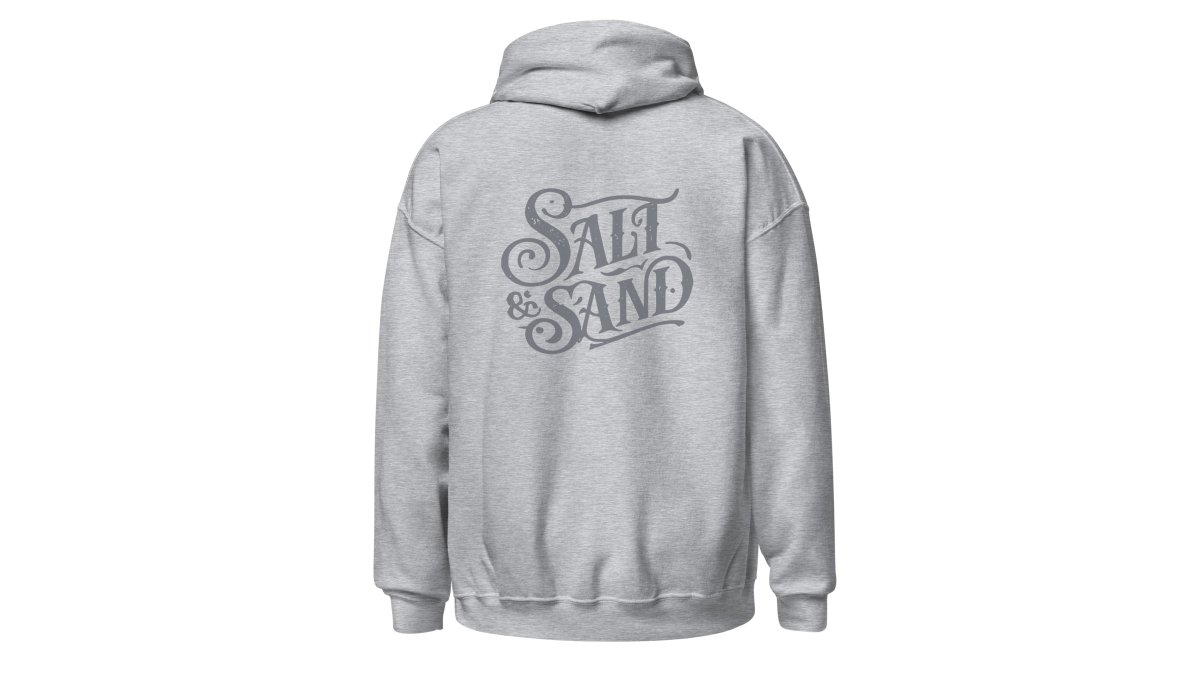
A relaxed fit does more for comfort than most shoppers realize. When fabric sits away from the body, air circulates freely and heat escapes instead of building up. Ergonomic design takes that further by cutting the garment so it moves with your shoulders and arms rather than pulling against them. Side-seamed construction, like the kind used in our Vintage Hoodie with Grey Script, keeps the shape intact and the fit consistent.
Vintage Hoodie with Grey Script →

Layering Techniques for Changing Coastal Weather
Coastal weather shifts fast, so layering is how you stay comfortable from morning fog to afternoon sun. Start with a breathable base layer that wicks moisture. Add a mid-weight piece, such as a hoodie, for the cool hours. Keep the outer layer wind-resistant and easy to remove. Three light layers beat one heavy jacket because you can shed or add them as the temperature and wind change.
How to Care for Coastal Cotton Apparel
Caring for coastal cotton apparel comes down to washing cold, drying low, and storing clean. Heat is the enemy: hot water and high dryer settings shrink fibers and fade dye. Turn garments inside out, use a mild detergent, and skip fabric softener, which coats fibers and reduces breathability over time.
Maintaining Softness and Color Over Time
A few habits keep cotton soft and colorful for years:
- Wash in cold water on a gentle cycle
- Air-dry when possible, or use low heat
- Store folded, away from direct sunlight
- Treat stains promptly with cold water
Footwear and Transitioning from Day to Night
Footwear for coastal terrain should handle sand, wet boardwalks, and uneven ground without slipping. Look for grippy soles, quick-drying uppers, and cushioning that holds up on long walks. The same principle applies to your clothing when the day turns into evening: swap a wet base layer for a dry one, add a lightweight hoodie, and you move from beach to boardwalk without changing your whole outfit. Coastal clothing earns its keep when it works across the whole day.

Conclusion
Salt and Sand Surf Shop offers soft, heathered fabrics, timeless design, and coastal-inspired apparel built for real beach days. Every purchase supports the Surfrider Foundation, protecting the beaches and waves that inspire it all. Shop now and find pieces that feel as natural as a day by the ocean.
Frequently Asked Questions
What makes coastal clothing comfortable for humid beach weather?
Coastal clothing comfort in humid conditions comes down to breathable fabrics that allow air circulation and moisture-wicking properties that pull sweat away from your skin. Natural fibers like linen and cotton, along with quick-drying textile blends, help regulate temperature and prevent that sticky, damp feeling. Relaxed fits also promote airflow, while features like UV protection add practical comfort for long days in the sun and salt air.
Is recycled polyester clothing safe for skin?
Yes, recycled polyester is generally safe for skin. It is made from processed plastic waste that is cleaned and melted into new fibers, so the final fabric does not contain the original contaminants. Most skin reactions linked to polyester come from heat and trapped moisture rather than the material itself. Choosing recycled polyester blends with cotton or other breathable fibers, and washing new garments before wearing, reduces any risk of irritation.
How do I keep coastal cotton apparel soft after repeated washing?
Wash coastal cotton apparel in cold water on a gentle cycle and avoid overloading the machine. Use a mild detergent without bleach or fabric softener, which can leave residue that stiffens fibers over time. Tumble dry on low or air-dry flat to preserve the drape and soft-hand feel. If the fabric feels stiff after drying, a short tumble on low with a clean tennis ball can help fluff the fibers back up.
What should I look for in breathable fabrics for beach weather?
Look for natural fibers like linen, cotton, and hemp, which allow air circulation and handle humidity well. Quick-drying performance fabrics and moisture-wicking blends work for active beach days. Check for lightweight construction, a soft-hand feel, and finishes like UV protection. A relaxed fit and ergonomic seam construction also improve airflow and reduce chafing, keeping you comfortable from morning surf to evening bonfire.